
With the cost of daily essentials like groceries and fuel continuing to impact household budgets, news of a $400 relief payment has captured the attention of many Americans. As we move through January 2026, it is important to understand which programs are actually sending out these funds and how you can ensure you receive your share. While there is no universal federal check being sent to every citizen right now, several state level programs and specific tax credits are providing exactly this amount of relief to millions of families.
Table of Contents
Where the $400 Payments Are Coming From
Most of the $400 payments being discussed this month are part of state inflation relief programs or specific tax rebates funded by local budget surpluses. For instance, states like Virginia and New York have previously implemented programs that offer up to $400 for married couples to help offset the rising costs of living. At the federal level, the $400 figure often appears as part of targeted tax adjustments or supplemental benefits rather than a standalone stimulus check. These payments are designed to provide a quick financial cushion during the winter months when utility bills and other expenses tend to peak.
Who Qualifies for the New Relief Funds
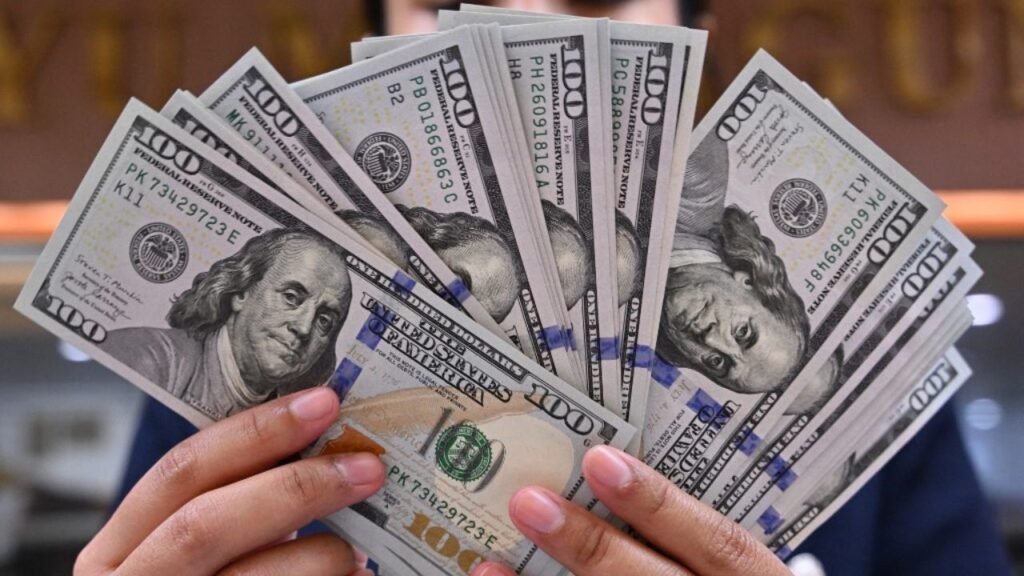
Eligibility for these payments is usually determined by your residency and your total annual income from the most recent tax year. Most programs are designed to assist low to middle income earners who are most affected by price increases. To receive a $400 payment, a married couple generally needs to have a combined income of less than $150,000, while single filers often have an income cap around $75,000 to qualify for their portion. It is also essential that you have filed your 2024 or 2025 tax returns, as the government uses this data to verify your status and calculate your payment automatically.
How Your Payment Will Be Delivered
The government is prioritizing digital methods to get these funds to you as quickly as possible. If the agency has your banking information on file, your payment will likely arrive through a direct deposit. For those who do not have a bank account or who usually receive their tax refunds by mail, the payment will be sent as a physical check or a preloaded debit card. It is a good idea to ensure your current mailing address is updated with the tax department to avoid any delivery issues.
Staying Safe from Stimulus Related Scams
Whenever news about government payments spreads, it is common for scammers to try and trick people into giving away personal information. It is vital to remember that legitimate government agencies will never call, text, or message you on social media to ask for your bank details or Social Security number. You do not have to pay any fee or provide a “processing payment” to unlock your relief check. If you receive a suspicious message, do not click on any links and instead check the official government website ending in .gov for verified information.
Quick Reference for Payment Groups and Methods
The following table summarizes the different ways these payments are being distributed and the expected timelines for each group.
| Recipient Group | Payment Amount | Primary Method | Expected Timeline |
| Married Joint Filers | Up to $400 | Direct Deposit | Mid to Late January 2026 |
| Single Taxpayers | Up to $200 | Direct Deposit | Mid to Late January 2026 |
| Non-Direct Deposit Users | Varies | Paper Check | Early February 2026 |
| Rural Area Residents | Varies | Debit Card | Early February 2026 |


