
The financial landscape for student loan borrowers has taken a sharp turn as we enter 2026. After years of pauses and grace periods, the federal government has officially moved toward resuming involuntary collections for those who have fallen into default. While initial notices began circulating earlier this month, a very recent update from the Department of Education has introduced a sudden twist in the plan. If you are one of the millions of borrowers currently in default, it is vital to understand where you stand and how these changing rules affect your take home pay.
Table of Contents
The Recent Shift in Wage Garnishment Plans
In a surprising turn of events just this week, the government announced a temporary pause on its plan to garnish wages. Although the first wave of notices was scheduled to reach borrowers starting January 7, 2026, officials have decided to delay the actual withholding of paychecks. This reversal is intended to give the Department of Education more time to implement major student loan repayment reforms. This means that while the threat of garnishment is still on the horizon, borrowers have been granted a brief window of relief to get their finances in order before the government begins taking money directly from their employers.
Who is at Risk of Default Collections
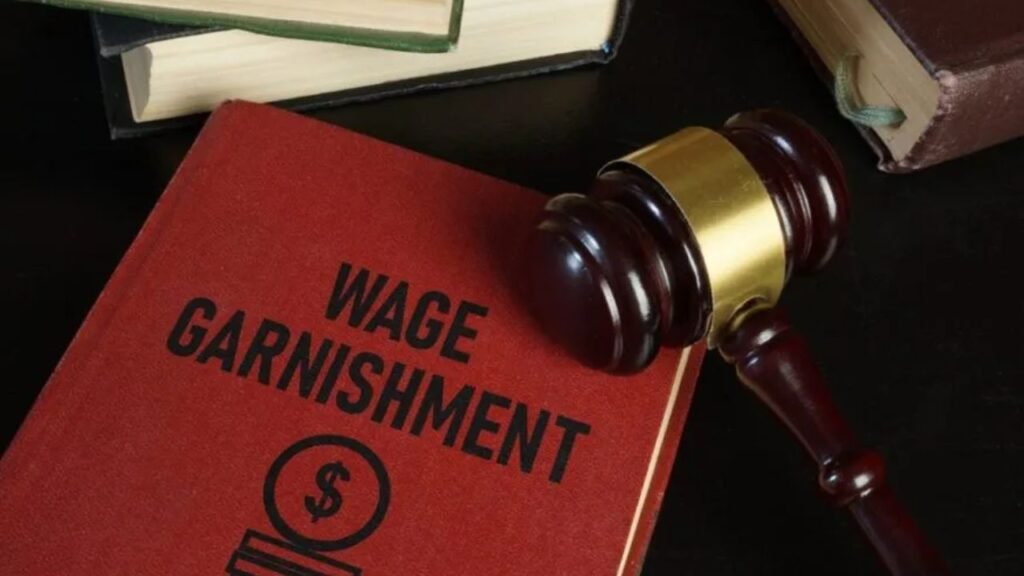
Even with the current pause, it is essential to know if you are on the list for future collection actions. The government defines a loan as being in default once it has been past due for at least 270 days. This typically applies to borrowers who did not resume their payments after the pandemic era protections ended or those who have not entered into a new repayment plan. The initial focus of the collection efforts was aimed at roughly 1,000 borrowers, but this was expected to scale up to millions of people as the year progressed. If your loan is currently in good standing or you are in an approved deferment, you are not subject to these collection measures.
How the Garnishment Process Works
When the government decides to move forward with administrative wage garnishment, they do not need a court order to take a portion of your pay. By law, they can instruct your employer to withhold up to 15 percent of your disposable income. Disposable income is the amount you have left after legally required deductions like federal and state taxes are taken out. To protect low income workers, the law ensures that you must be left with a weekly take home pay of at least $217.50. Before any money is actually taken, the government must send you a written notice giving you at least 30 days to respond or resolve the debt.
Options to Stop Collections and Restore Credit
The best way to handle a garnishment notice is to act before the 30 day window expires. Resolving a default not only stops the government from taking your wages but also helps clean up your credit report and restores your eligibility for future federal student aid.
- Loan Rehabilitation allows you to make nine on time payments to move your loan back into good standing.
- Loan Consolidation combines your defaulted loans into a new single loan, which can happen in as little as 30 to 60 days.
- Income Driven Repayment plans can lower your monthly obligation to a more manageable amount based on what you earn.
- Hardship Hearings can be requested if you can prove that a 15 percent garnishment would prevent you from paying for basic needs like rent or food.
- Full Payment settles the debt immediately and removes all collection threats.
Comparison of Debt Resolution Methods
The table below compares the most common ways to resolve a student loan default and stop future garnishments.
| Method | Time to Complete | Main Impact | Credit Score Effect |
| Rehabilitation | 9 Months | Removes default status | Very Positive |
| Consolidation | 30 to 60 Days | Fast return to good standing | Positive |
| Full Payment | Immediate | Debt is completely cleared | Neutral/Positive |
| Hardship Review | Varies | May reduce garnishment rate | No Change |


